

Product Description
16mm Film Transfer to UHD Digital
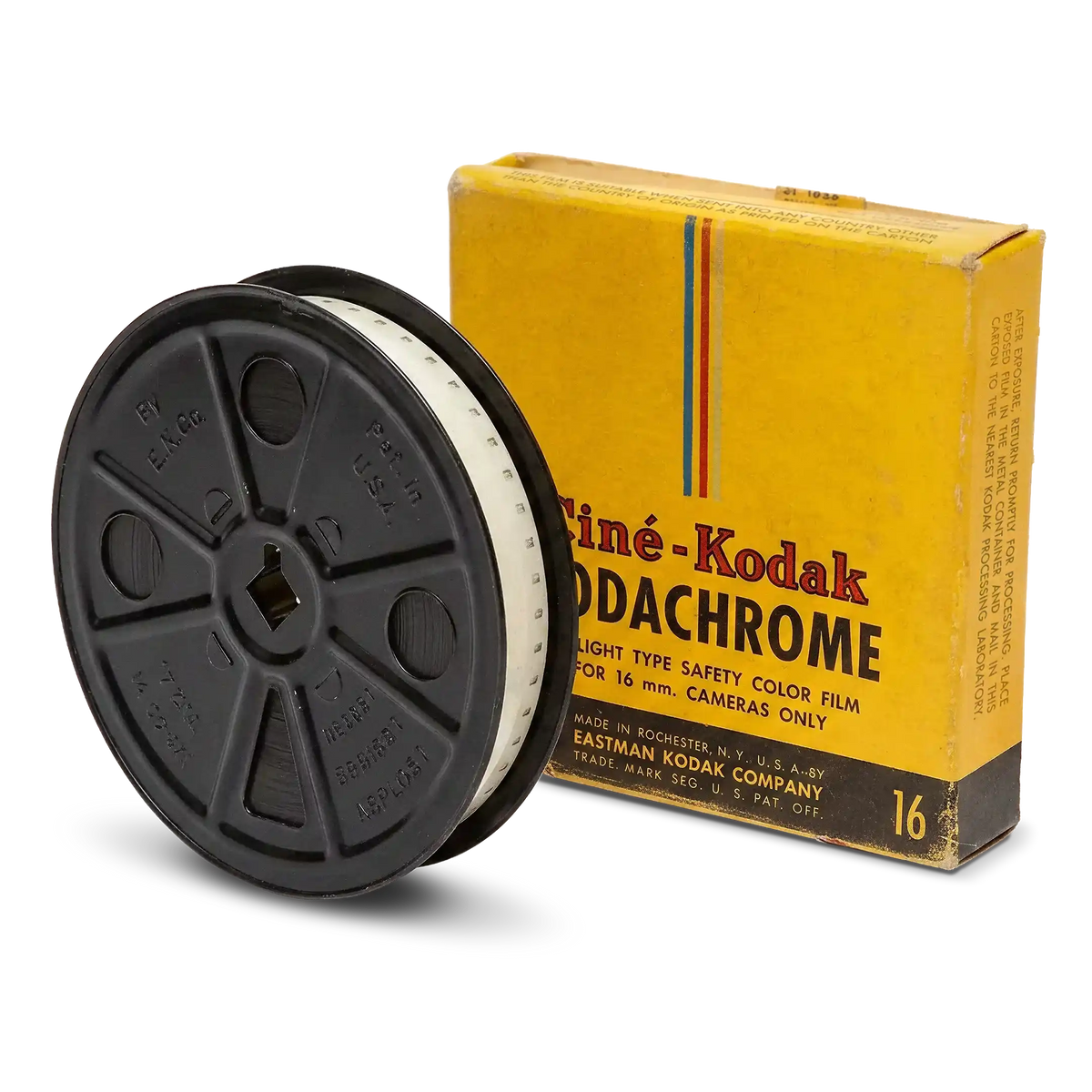
Preserve home movies, documentaries, educational films and historical recordings with the 16mm Film Transfer to UHD Digital service from Precision Transfers. We convert aging 16mm film reels into UHD digital files that are easier to view, store, edit and share.
Eastman Kodak introduced 16mm film in 1923 as a safer and more affordable alternative to 35mm film. Sound-capable equipment followed during the early 1930s. The format became widely used for home movies, documentaries, television news, educational films, industrial productions and independent filmmaking.
Precision Transfers uses professional telecine technology to capture 16mm film in UHD format while preserving the detail, colour and character of the original footage.
Film Materials and Construction
16mm film consists of a transparent plastic film base coated with light-sensitive photographic emulsion.
Common film-base materials include:
-
Cellulose acetate
-
Cellulose triacetate
-
Polyester film
-
Gelatin-based photographic emulsion
-
Colour dye layers or black-and-white silver-image layers
The film measures approximately 16 mm wide and may have perforations along one or both edges. It is commonly stored on a plastic or metal reel inside a protective film can or box.
Acetate film can shrink, become brittle or develop vinegar syndrome as it ages. Colour dyes can fade, and poorly stored film may develop mould, warping, broken splices or surface damage.
16mm Image and Film Dimensions
Standard 16mm film has the following approximate dimensions:
-
Film width: 16 mm
-
Silent image area: approximately 10.26 × 7.49 mm
-
Frames per foot: approximately 40
-
Common playback speeds: 16, 18 or 24 frames per second
The visible picture area may be narrower on film containing an optical soundtrack. Super 16 uses a wider picture area and should be identified before transfer.
Common Reel Sizes and Capacities
16mm film is commonly stored on reels with the following approximate capacities:
-
100-foot reel: approximately 3.5 to 4 inches in diameter
-
200-foot reel: approximately 5 inches in diameter
-
400-foot reel: approximately 7 inches in diameter
-
800-foot reel: approximately 10.5 inches in diameter
-
1,200-foot reel: approximately 12 inches in diameter
-
1,600-foot reel: approximately 14 inches in diameter
-
2,000-foot reel: approximately 15 inches in diameter
Reel diameter provides an estimate of maximum capacity. A reel may contain less film than its stated capacity.
Estimated Running Times
Running time depends on the amount of film and the original recording speed.
Approximate running times include:
-
100 feet: 2 minutes 47 seconds at 24 fps or 4 minutes 10 seconds at 16 fps
-
200 feet: 5 minutes 33 seconds at 24 fps or 8 minutes 20 seconds at 16 fps
-
400 feet: 11 minutes 7 seconds at 24 fps or 16 minutes 40 seconds at 16 fps
-
800 feet: 22 minutes 13 seconds at 24 fps or 33 minutes 20 seconds at 16 fps
-
1,200 feet: 33 minutes 20 seconds at 24 fps or approximately 50 minutes at 16 fps
-
1,600 feet: 44 minutes 27 seconds at 24 fps or approximately 66 minutes at 16 fps
-
2,000 feet: 55 minutes 33 seconds at 24 fps or approximately 83 minutes at 16 fps
Contact Precision Transfers before ordering if you have an unusually large reel, loose film, film on a core or an unknown film format.
Professional Telecine Transfer Process
Each reel is inspected before transfer and captured using professional telecine equipment. The film is converted into a UHD digital file that can be downloaded, copied, archived and viewed on modern devices.
Playback speed is selected based on the film type and recorded content. This helps preserve natural movement and prevents footage from appearing unnecessarily fast or slow.
Some 16mm films contain optical or magnetic soundtracks. Contact Precision Transfers before ordering if the film contains sound or if sound capture is required.
Features
-
Professional 16mm telecine transfer
-
UHD digital capture
-
Support for common 16mm reel sizes
-
Careful handling of vintage film
-
Preservation of the original film character
-
Digital files suitable for viewing and archiving
-
Files that can be imported into editing software
-
In-house processing at our Canadian facility
-
Quality-control review of the completed transfer
-
More than 30 years of video-imaging experience
The finished digital file reflects the condition of the original film. Fading, scratches, dust, damaged splices, mould, exposure problems and other issues already present on the film may remain visible after transfer.
Common Uses
-
Preserving family home movies
-
Digitizing historical and community films
-
Archiving school and educational productions
-
Converting television news footage
-
Preserving documentary and independent films
-
Digitizing corporate and industrial recordings
-
Preparing archival footage for modern editing systems
-
Sharing film collections with family or researchers
-
Creating accessible digital copies of institutional archives
What Is Included
-
Professional transfer of the submitted 16mm film
-
Inspection and careful handling of the reel
-
Professional telecine capture
-
UHD digital conversion
-
Quality-control review
-
Digital delivery through a downloadable link
-
Six months of local backup storage
Please contact Precision Transfers before ordering if you require sound capture, a specialized file format, custom frame rates, restoration work or another archival deliverable.
Care and Preparation
Keep each film reel inside its protective can or box and store it upright in a clean, dry and temperature-controlled environment. Protect the film from direct sunlight, excessive heat, high humidity, dust and chemical fumes.
Do not project fragile film or run it through unverified equipment. A damaged projector can tear perforations, break splices, scratch the image or cause the film to become tangled.
Do not use household cleaners, water or adhesive tape on the film. Avoid unwinding the reel unnecessarily. Label each reel and its container with the title, approximate date and preferred order.
A strong vinegar smell can indicate acetate deterioration. White deposits, visible mould, severe curling, brittleness or rusty film cans may also indicate damage. Contact Precision Transfers before shipping film with any of these conditions.
After receiving your UHD files, save backup copies in at least two locations, such as an external drive and secure cloud storage.
For more information about placing an order and sending your film, visit our How It Works page.
16mm Film To Digital UHD
We Recommend
Pairs well with
Free Return Shipping On All Orders Over $150 Anywhere in Canada
Secure Cloud Download
High-Quality Digitization
30+ Years Experience
6 Months of Free Cloud Storage
Product Description
16mm Film Transfer to UHD Digital
Preserve home movies, documentaries, educational films and historical recordings with the 16mm Film Transfer to UHD Digital service from Precision Transfers. We convert aging 16mm film reels into UHD digital files that are easier to view, store, edit and share.
Eastman Kodak introduced 16mm film in 1923 as a safer and more affordable alternative to 35mm film. Sound-capable equipment followed during the early 1930s. The format became widely used for home movies, documentaries, television news, educational films, industrial productions and independent filmmaking.
Precision Transfers uses professional telecine technology to capture 16mm film in UHD format while preserving the detail, colour and character of the original footage.
Film Materials and Construction
16mm film consists of a transparent plastic film base coated with light-sensitive photographic emulsion.
Common film-base materials include:
-
Cellulose acetate
-
Cellulose triacetate
-
Polyester film
-
Gelatin-based photographic emulsion
-
Colour dye layers or black-and-white silver-image layers
The film measures approximately 16 mm wide and may have perforations along one or both edges. It is commonly stored on a plastic or metal reel inside a protective film can or box.
Acetate film can shrink, become brittle or develop vinegar syndrome as it ages. Colour dyes can fade, and poorly stored film may develop mould, warping, broken splices or surface damage.
16mm Image and Film Dimensions
Standard 16mm film has the following approximate dimensions:
-
Film width: 16 mm
-
Silent image area: approximately 10.26 × 7.49 mm
-
Frames per foot: approximately 40
-
Common playback speeds: 16, 18 or 24 frames per second
The visible picture area may be narrower on film containing an optical soundtrack. Super 16 uses a wider picture area and should be identified before transfer.
Common Reel Sizes and Capacities
16mm film is commonly stored on reels with the following approximate capacities:
-
100-foot reel: approximately 3.5 to 4 inches in diameter
-
200-foot reel: approximately 5 inches in diameter
-
400-foot reel: approximately 7 inches in diameter
-
800-foot reel: approximately 10.5 inches in diameter
-
1,200-foot reel: approximately 12 inches in diameter
-
1,600-foot reel: approximately 14 inches in diameter
-
2,000-foot reel: approximately 15 inches in diameter
Reel diameter provides an estimate of maximum capacity. A reel may contain less film than its stated capacity.
Estimated Running Times
Running time depends on the amount of film and the original recording speed.
Approximate running times include:
-
100 feet: 2 minutes 47 seconds at 24 fps or 4 minutes 10 seconds at 16 fps
-
200 feet: 5 minutes 33 seconds at 24 fps or 8 minutes 20 seconds at 16 fps
-
400 feet: 11 minutes 7 seconds at 24 fps or 16 minutes 40 seconds at 16 fps
-
800 feet: 22 minutes 13 seconds at 24 fps or 33 minutes 20 seconds at 16 fps
-
1,200 feet: 33 minutes 20 seconds at 24 fps or approximately 50 minutes at 16 fps
-
1,600 feet: 44 minutes 27 seconds at 24 fps or approximately 66 minutes at 16 fps
-
2,000 feet: 55 minutes 33 seconds at 24 fps or approximately 83 minutes at 16 fps
Contact Precision Transfers before ordering if you have an unusually large reel, loose film, film on a core or an unknown film format.
Professional Telecine Transfer Process
Each reel is inspected before transfer and captured using professional telecine equipment. The film is converted into a UHD digital file that can be downloaded, copied, archived and viewed on modern devices.
Playback speed is selected based on the film type and recorded content. This helps preserve natural movement and prevents footage from appearing unnecessarily fast or slow.
Some 16mm films contain optical or magnetic soundtracks. Contact Precision Transfers before ordering if the film contains sound or if sound capture is required.
Features
-
Professional 16mm telecine transfer
-
UHD digital capture
-
Support for common 16mm reel sizes
-
Careful handling of vintage film
-
Preservation of the original film character
-
Digital files suitable for viewing and archiving
-
Files that can be imported into editing software
-
In-house processing at our Canadian facility
-
Quality-control review of the completed transfer
-
More than 30 years of video-imaging experience
The finished digital file reflects the condition of the original film. Fading, scratches, dust, damaged splices, mould, exposure problems and other issues already present on the film may remain visible after transfer.
Common Uses
-
Preserving family home movies
-
Digitizing historical and community films
-
Archiving school and educational productions
-
Converting television news footage
-
Preserving documentary and independent films
-
Digitizing corporate and industrial recordings
-
Preparing archival footage for modern editing systems
-
Sharing film collections with family or researchers
-
Creating accessible digital copies of institutional archives
What Is Included
-
Professional transfer of the submitted 16mm film
-
Inspection and careful handling of the reel
-
Professional telecine capture
-
UHD digital conversion
-
Quality-control review
-
Digital delivery through a downloadable link
-
Six months of local backup storage
Please contact Precision Transfers before ordering if you require sound capture, a specialized file format, custom frame rates, restoration work or another archival deliverable.
Care and Preparation
Keep each film reel inside its protective can or box and store it upright in a clean, dry and temperature-controlled environment. Protect the film from direct sunlight, excessive heat, high humidity, dust and chemical fumes.
Do not project fragile film or run it through unverified equipment. A damaged projector can tear perforations, break splices, scratch the image or cause the film to become tangled.
Do not use household cleaners, water or adhesive tape on the film. Avoid unwinding the reel unnecessarily. Label each reel and its container with the title, approximate date and preferred order.
A strong vinegar smell can indicate acetate deterioration. White deposits, visible mould, severe curling, brittleness or rusty film cans may also indicate damage. Contact Precision Transfers before shipping film with any of these conditions.
After receiving your UHD files, save backup copies in at least two locations, such as an external drive and secure cloud storage.
For more information about placing an order and sending your film, visit our How It Works page.
16mm Film To Digital UHD
If you have any questions, you are always welcome to contact us. We'll get back to you as soon as possible, within 24 hours on weekdays.
-
Shipping Information
Use this text to answer questions in as much detail as possible for your customers.
-
Customer Support
Use this text to answer questions in as much detail as possible for your customers.
-
FAQ’s
Use this text to answer questions in as much detail as possible for your customers.
-
Contact Us
Use this text to answer questions in as much detail as possible for your customers.
Common Questions
Please read our FAQs page to find out more.
Do I need to make an appointment if I am dropping off my media?
Use this text to answer questions in as much detail as possible for your customers.
How long will my order take?
Use this text to answer questions in as much detail as possible for your customers.
Why should I upconvert my media to HD?
Use this text to answer questions in as much detail as possible for your customers.
It's easy as 1, 2, 3.
How it Works
The process is easy, simply create your order, send in your media and we'll digitize your memories.

Place an Online Order
Place your order after selecting the media type and quantity, adding it to cart, and then creating an account.
Send in Your Media
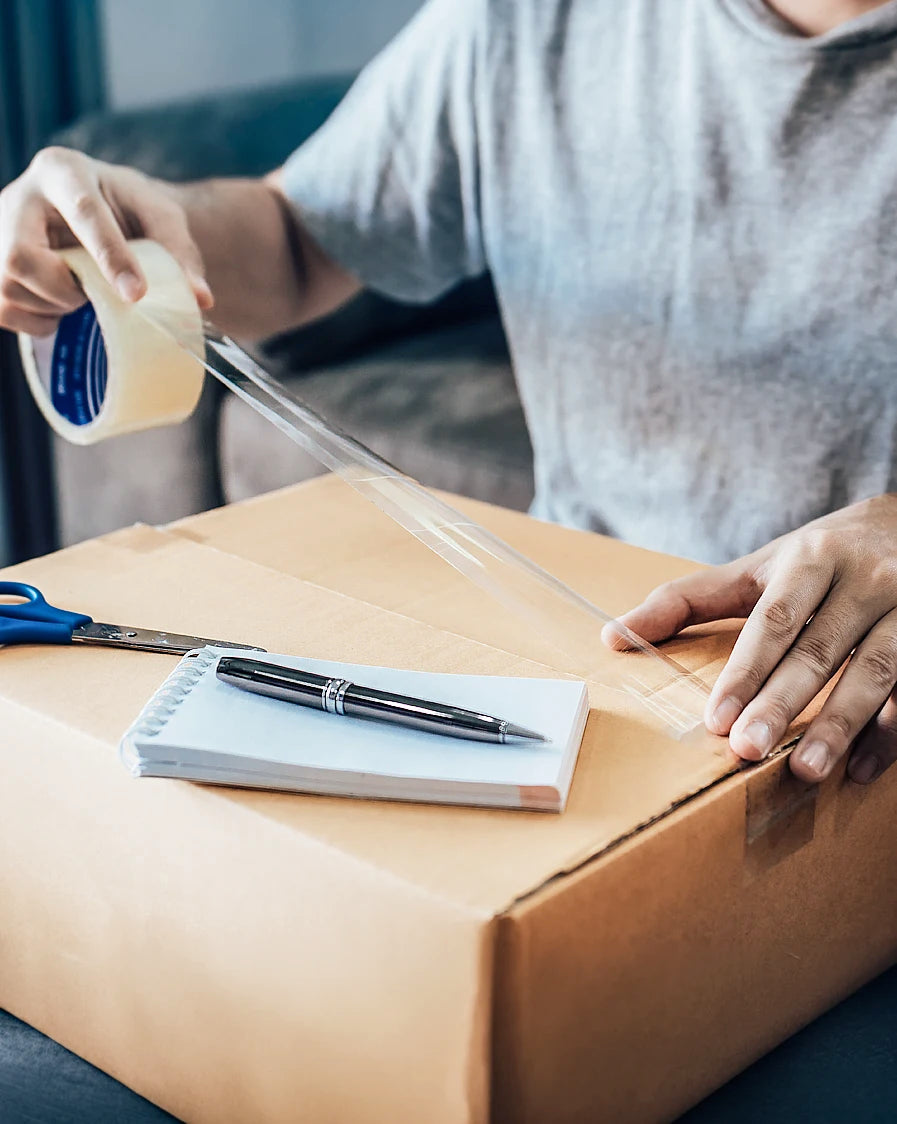
The cost of shipping to Precision Transfers is not included in the rate and is handled by Canada Post or your local courier. The return shipment fee is available when placing your order if you wish to return tapes or films. Free return shipping is also available for orders over $150. The customer may choose to recycle the originals rather than return it upon completion.

View & Save Your Media
The transferred files are sent via a Google Drive link where you can download them. You can then save the file to your local drive or your USB drive. Due to the fact that this format is no longer supported by the industry, we do not support transfers to DVD. High-quality MP4 files are the standard transfer format, and we also store a backup locally for six months. Please let us know if you have a specific format request.