

Product Description
Audio Cassette Tapes to Digital MP3 Transfer
Preserve personal recordings, family memories, music, interviews and other important audio with the Audio Cassette Tapes to Digital MP3 Transfer service from Precision Transfers. We convert standard compact cassette tapes into convenient MP3 files that can be stored, copied, shared and played on modern devices.
Each side of the cassette is handled separately during the transfer process. Your finished MP3 files can be enjoyed on computers, smartphones, tablets, smart TVs, smart speakers and other compatible devices.
Cassette Materials and Construction
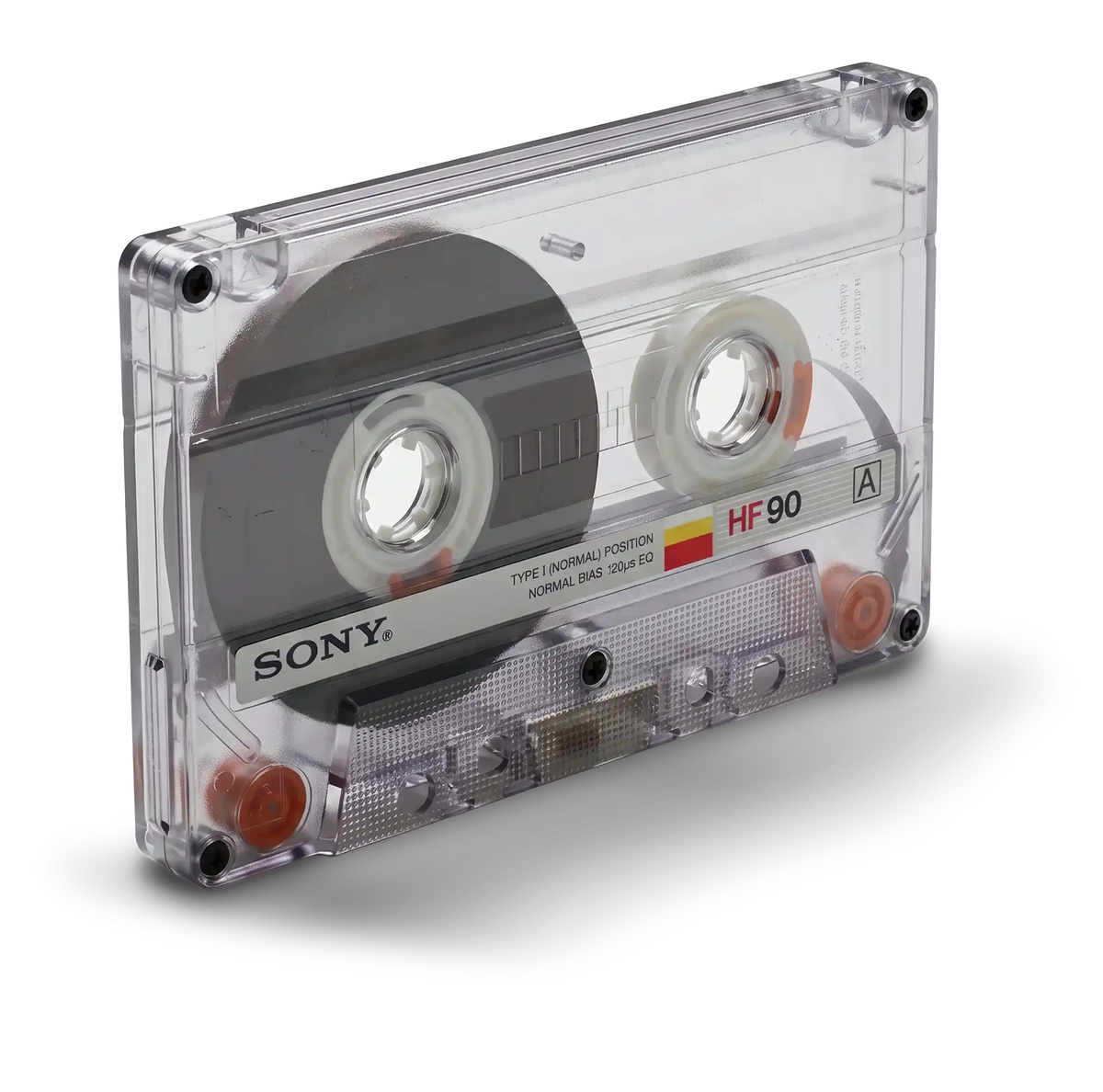
Standard audio cassettes contain magnetic recording tape wound between two internal reels inside a protective plastic shell. The tape commonly uses a thin polyester base coated with magnetic particles that store the recorded audio signal.
A typical cassette also contains:
-
Two internal tape reels
-
A rigid plastic outer shell
-
A protective magnetic-tape coating
-
Guide rollers that help move the tape
-
A pressure pad that keeps the tape positioned during playback
-
Recording-protection tabs on the upper edge
Although the cassette shell offers some protection, the magnetic tape can stretch, break, become tangled or lose signal quality as it ages.
Supported Cassette Dimensions
This service is intended for standard compact audio cassettes measuring approximately:
-
100.4 mm wide
-
63.8 mm high
-
12 mm thick
-
Approximately 4 × 2.5 × 0.5 inches
Microcassettes and minicassettes are different formats with different dimensions and playback requirements. Precision Transfers offers a separate transfer service for those formats.
Common Tape Types and Recording Lengths
Standard compact cassettes were produced in several formulations, including:
-
Type I ferric or normal-bias tape
-
Type II chrome or high-bias tape
-
Type III ferrichrome tape
-
Type IV metal tape
-
Mono and stereo recordings
Common total recording capacities include:
-
C30: approximately 30 minutes
-
C46: approximately 46 minutes
-
C60: approximately 60 minutes
-
C90: approximately 90 minutes
-
C120: approximately 120 minutes
The stated capacity normally represents the combined recording time of both sides. Actual recorded content may be shorter and may include blank sections.
How the Transfer Process Works
Each cassette is inspected and played using compatible audio-cassette equipment. Side A and Side B are handled separately so the recorded content can be captured clearly and organized logically.
The analog audio is converted into MP3 files, providing a practical balance of sound quality, compatibility and manageable file size. MP3 files can be downloaded, backed up, renamed and shared without requiring the original cassette or tape deck.
Features
-
Professional audio-cassette playback and digitization
-
Separate handling of Side A and Side B
-
High-quality MP3 digital files
-
Support for common compact cassette formulations
-
Careful handling of aging magnetic tape
-
Files compatible with most modern devices
-
Convenient digital delivery
-
In-house processing at our Canadian facility
-
Quality-control review of the transferred audio
The transfer preserves the sound contained on the original cassette. Background noise, hiss, distortion, dropouts or other problems already present on the tape may remain audible in the digital copy.
Common Uses
-
Preserving family voice recordings
-
Digitizing recorded messages from loved ones
-
Converting interviews and oral histories
-
Archiving lectures, meetings and presentations
-
Preserving personal music recordings
-
Digitizing rehearsal tapes and demo recordings
-
Converting language lessons or educational material
-
Organizing personal and institutional audio archives
-
Sharing old recordings with friends and family
What Is Included
-
Professional transfer of one standard audio cassette
-
Inspection and careful handling of the submitted tape
-
Separate processing of each recorded side
-
Conversion into convenient MP3 files
-
Quality-control review
-
Digital delivery through a downloadable link
-
Six months of local backup storage
Contact Precision Transfers before ordering if you require a different audio format, custom track separation, detailed file naming or specialized restoration work.
Care and Preparation
Keep each cassette inside its protective case and store it upright in a clean, dry and temperature-controlled environment. Avoid direct sunlight, excessive heat, high humidity, dust, water and magnetic fields.
Do not touch the exposed magnetic tape or attempt to repair a broken cassette using ordinary adhesive tape. If the tape is loose, tangled, broken, mouldy or damaged, contact Precision Transfers before attempting to play it.
Clearly label each cassette with its title or reference number. Indicate whether one or both sides contain recordings and note any known problems. If submitting several tapes, number them in the order you would like them processed.
After receiving your MP3 files, save backup copies in at least two locations, such as a computer or external drive and a secure cloud-storage service.
For more information about placing an order and sending your cassettes, visit our How It Works page.
Audio Cassette Tapes to Digital MP3
We Recommend
Pairs well with
Free Return Shipping On All Orders Over $150 Anywhere in Canada
Secure Cloud Download
High-Quality Digitization
30+ Years Experience
6 Months of Free Cloud Storage
Product Description
Audio Cassette Tapes to Digital MP3 Transfer
Preserve personal recordings, family memories, music, interviews and other important audio with the Audio Cassette Tapes to Digital MP3 Transfer service from Precision Transfers. We convert standard compact cassette tapes into convenient MP3 files that can be stored, copied, shared and played on modern devices.
Each side of the cassette is handled separately during the transfer process. Your finished MP3 files can be enjoyed on computers, smartphones, tablets, smart TVs, smart speakers and other compatible devices.
Cassette Materials and Construction
Standard audio cassettes contain magnetic recording tape wound between two internal reels inside a protective plastic shell. The tape commonly uses a thin polyester base coated with magnetic particles that store the recorded audio signal.
A typical cassette also contains:
-
Two internal tape reels
-
A rigid plastic outer shell
-
A protective magnetic-tape coating
-
Guide rollers that help move the tape
-
A pressure pad that keeps the tape positioned during playback
-
Recording-protection tabs on the upper edge
Although the cassette shell offers some protection, the magnetic tape can stretch, break, become tangled or lose signal quality as it ages.
Supported Cassette Dimensions
This service is intended for standard compact audio cassettes measuring approximately:
-
100.4 mm wide
-
63.8 mm high
-
12 mm thick
-
Approximately 4 × 2.5 × 0.5 inches
Microcassettes and minicassettes are different formats with different dimensions and playback requirements. Precision Transfers offers a separate transfer service for those formats.
Common Tape Types and Recording Lengths
Standard compact cassettes were produced in several formulations, including:
-
Type I ferric or normal-bias tape
-
Type II chrome or high-bias tape
-
Type III ferrichrome tape
-
Type IV metal tape
-
Mono and stereo recordings
Common total recording capacities include:
-
C30: approximately 30 minutes
-
C46: approximately 46 minutes
-
C60: approximately 60 minutes
-
C90: approximately 90 minutes
-
C120: approximately 120 minutes
The stated capacity normally represents the combined recording time of both sides. Actual recorded content may be shorter and may include blank sections.
How the Transfer Process Works
Each cassette is inspected and played using compatible audio-cassette equipment. Side A and Side B are handled separately so the recorded content can be captured clearly and organized logically.
The analog audio is converted into MP3 files, providing a practical balance of sound quality, compatibility and manageable file size. MP3 files can be downloaded, backed up, renamed and shared without requiring the original cassette or tape deck.
Features
-
Professional audio-cassette playback and digitization
-
Separate handling of Side A and Side B
-
High-quality MP3 digital files
-
Support for common compact cassette formulations
-
Careful handling of aging magnetic tape
-
Files compatible with most modern devices
-
Convenient digital delivery
-
In-house processing at our Canadian facility
-
Quality-control review of the transferred audio
The transfer preserves the sound contained on the original cassette. Background noise, hiss, distortion, dropouts or other problems already present on the tape may remain audible in the digital copy.
Common Uses
-
Preserving family voice recordings
-
Digitizing recorded messages from loved ones
-
Converting interviews and oral histories
-
Archiving lectures, meetings and presentations
-
Preserving personal music recordings
-
Digitizing rehearsal tapes and demo recordings
-
Converting language lessons or educational material
-
Organizing personal and institutional audio archives
-
Sharing old recordings with friends and family
What Is Included
-
Professional transfer of one standard audio cassette
-
Inspection and careful handling of the submitted tape
-
Separate processing of each recorded side
-
Conversion into convenient MP3 files
-
Quality-control review
-
Digital delivery through a downloadable link
-
Six months of local backup storage
Contact Precision Transfers before ordering if you require a different audio format, custom track separation, detailed file naming or specialized restoration work.
Care and Preparation
Keep each cassette inside its protective case and store it upright in a clean, dry and temperature-controlled environment. Avoid direct sunlight, excessive heat, high humidity, dust, water and magnetic fields.
Do not touch the exposed magnetic tape or attempt to repair a broken cassette using ordinary adhesive tape. If the tape is loose, tangled, broken, mouldy or damaged, contact Precision Transfers before attempting to play it.
Clearly label each cassette with its title or reference number. Indicate whether one or both sides contain recordings and note any known problems. If submitting several tapes, number them in the order you would like them processed.
After receiving your MP3 files, save backup copies in at least two locations, such as a computer or external drive and a secure cloud-storage service.
For more information about placing an order and sending your cassettes, visit our How It Works page.
Audio Cassette Tapes to Digital MP3
If you have any questions, you are always welcome to contact us. We'll get back to you as soon as possible, within 24 hours on weekdays.
-
Shipping Information
Use this text to answer questions in as much detail as possible for your customers.
-
Customer Support
Use this text to answer questions in as much detail as possible for your customers.
-
FAQ’s
Use this text to answer questions in as much detail as possible for your customers.
-
Contact Us
Use this text to answer questions in as much detail as possible for your customers.
Common Questions
Please read our FAQs page to find out more.
Do I need to make an appointment if I am dropping off my media?
Use this text to answer questions in as much detail as possible for your customers.
How long will my order take?
Use this text to answer questions in as much detail as possible for your customers.
Why should I upconvert my media to HD?
Use this text to answer questions in as much detail as possible for your customers.
It's easy as 1, 2, 3.
How it Works
The process is easy, simply create your order, send in your media and we'll digitize your memories.

Place an Online Order
Place your order after selecting the media type and quantity, adding it to cart, and then creating an account.

Send in Your Media
The cost of shipping to Precision Transfers is not included in the rate and is handled by Canada Post or your local courier. The return shipment fee is available when placing your order if you wish to return tapes or films. Free return shipping is also available for orders over $150. The customer may choose to recycle the originals rather than return it upon completion.

View & Save Your Media
The transferred files are sent via a Google Drive link where you can download them. You can then save the file to your local drive or your USB drive. Due to the fact that this format is no longer supported by the industry, we do not support transfers to DVD. High-quality MP4 files are the standard transfer format, and we also store a backup locally for six months. Please let us know if you have a specific format request.